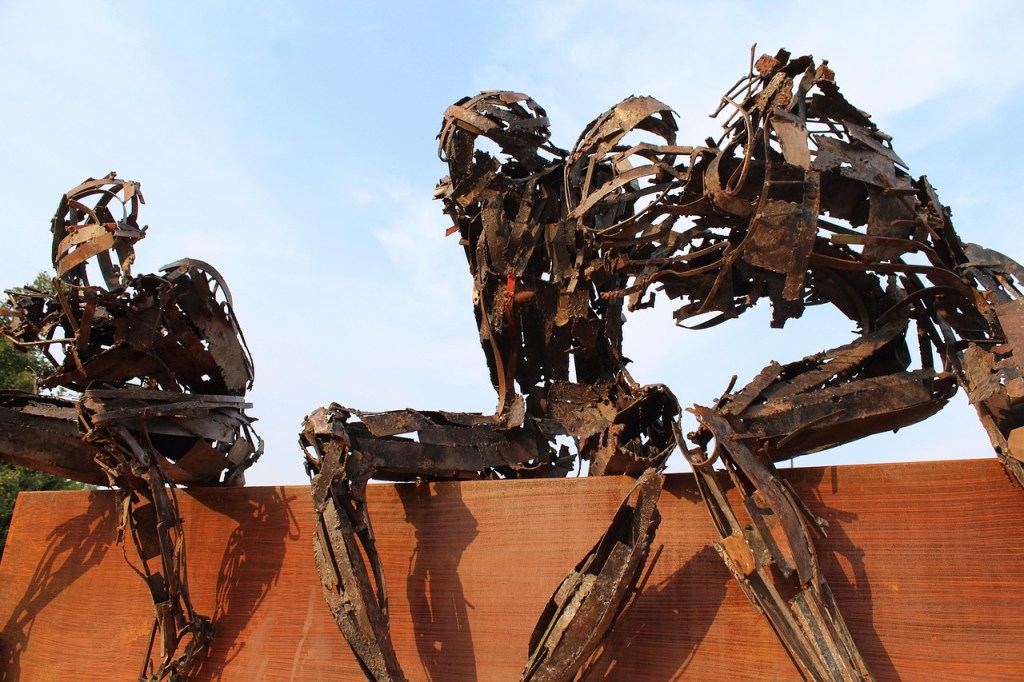
Contemporary art is a very misunderstood art movement. It’s abstract aesthetic, lack of traditional standards, and many methods of execution lead people to believe that it is simple, lacking in substance, and something that anyone can do. Contemporary art is a global experience that can open a dialogue on social and cultural structures issues, but it also is an age of experimentation which has led to new forms of arts. In this article, we’ll gain a bit of a better understanding behind the mind of a contemporary artists and structure of contemporary art.
A Brief History in Contemporary

The globalization of the 21st century allowed the world of art to be integrated with one another, allowing artists of color and women artists opportunities to create art starting in the late 1950’s. Art changed from images of people, landscapes, and color with the early experimentation of abstraction, fantasy, and expressions. American art had been influenced by the art created in Europe for most of America’s history but all of that began to change with the popularity of prints and photography. Things changed dramatically with the growth of the industry, new technologies, and new capabilities to travel and explore different methodologies. The abstract expressionism movement and the new wave of pop art in the 1960’s became catalyst to the contemporary art movement. These two movements utilized the interest in expanding its art to mass media and dynamic, highly abstracted art. The old art world was pushed to the side in favor of the new emerging styles and genres of new artwork.
What Is the Contemporary Artist?

The contemporary art movement began in the late 20th century where artists began creating during the post war period, developing new styles and methods of art that are still relevant in the new art world. Contemporary artists use a wide range of mediums like charcoal, digital art, and sculptures to create work that is challenging or interesting. This type of artist must require themselves to think in an open-ended methodology with an inquiry-based approach but more importantly they must embrace the notion of artistic pluralism. Artistic pluralism is the acceptance of a variety of artistic intentions, methods, and styles like minimalism, performance art, and video art! The artists goals are to question traditional ideas of the definition of art, what constitutes art, and how to create a dialogue with its viewers. This pluralism can make it difficult for viewers to summarize and accurately reflect the complex concepts and materials. I would argue that the difficulty makes the art more valuable because people are able to draw their own conclusions and interpretations.
The Contemporary Impact
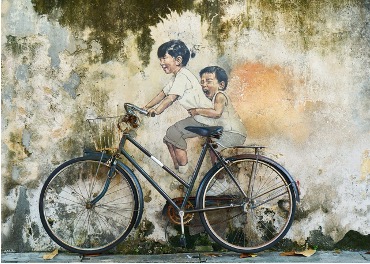
In an ever-evolving world, contemporary artist gives a voice to challenge subjects like identity, values, and beliefs. It’s impact on art history by allowing artists to make commentary art on the current culture around them through literal and/or figurative depictions. It makes itself a visual historical record of life, capturing the feelings held by people of today’s time. With its constant push of boundaries and exploration of new ideas, it has allowed artists to create their own digital art technologies. The audience play an active role in contemporary art, using critical thinking to enhance the artwork through each person’s life experiences, opinions, and interpretations.
LOCAL EVENT: Arts Unbound Festival
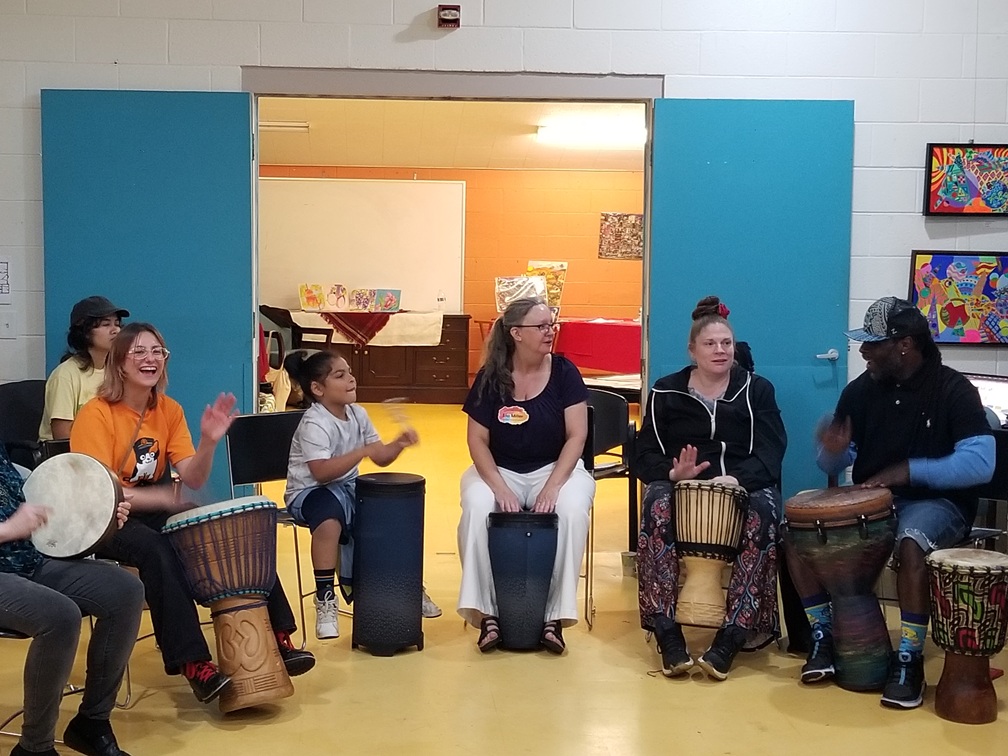
Creative Aging Network (CAN-NC) is hosting it’s 3rd Annual Arts Unbound Festival! There will be studio tours all day featuring a Native American blessing of the land with Native American dancers. This festival will also feature an inter generational art featuring adult artists, an interactive drum circle, chair massages, vendors, basket weaving demonstrations, clay play, live music, and more! Come rain or shine, this is where you want to be!
When/Where: May 3rd 2025, from 10:00am to 3:00pm. 2400 Summit Ave, Greensboro NC, 27405
Prices: FREE
Link: https://can-nc.org/events
Sources
About Contemporary Art . About contemporary art (education at the getty). (n.d.). https://www.getty.edu/education/teachers/classroom_resources/curricula/contemporary_art/background1.html
Contemporary Art in context. Art21. (n.d.). https://art21.org/for-educators/tools-for-teaching/getting-started-an-introduction-to-teaching-with-contemporary-art/contemporary-art-in-context/
Events and exhibitions. Creative Aging Network NC. (2025, March 7). https://can-nc.org/events
IESA Arts and Culture. (n.d.). Why is contemporary art so important . IESA Arts and Culture. https://www.iesa.edu/paris/news-events/contemporary-art-importance#:~:text=Cultural%20Commentary,read%20about%20in%20history%20books.
Libretexts. (2022, March 19). 1.2: Evolution of modern and contemporary art. Humanities LibreTexts. https://human.libretexts.org/Bookshelves/Art/History_of_Modern_and_Contemporary_Art_(Gustlin_and_Gustlin)/01%3A_How_Modern_and_Contemporary_Art_Evolved/1.02%3A_Evolution_of_Modern_and_Contemporary_Art
Shotwell, M. (2023, June 27). Importance of contemporary art. Cultivate. https://www.cultivategrandrapids.org/post/importance-of-contemporary-art
 GREENSBORO COLLEGE ART COLUMN