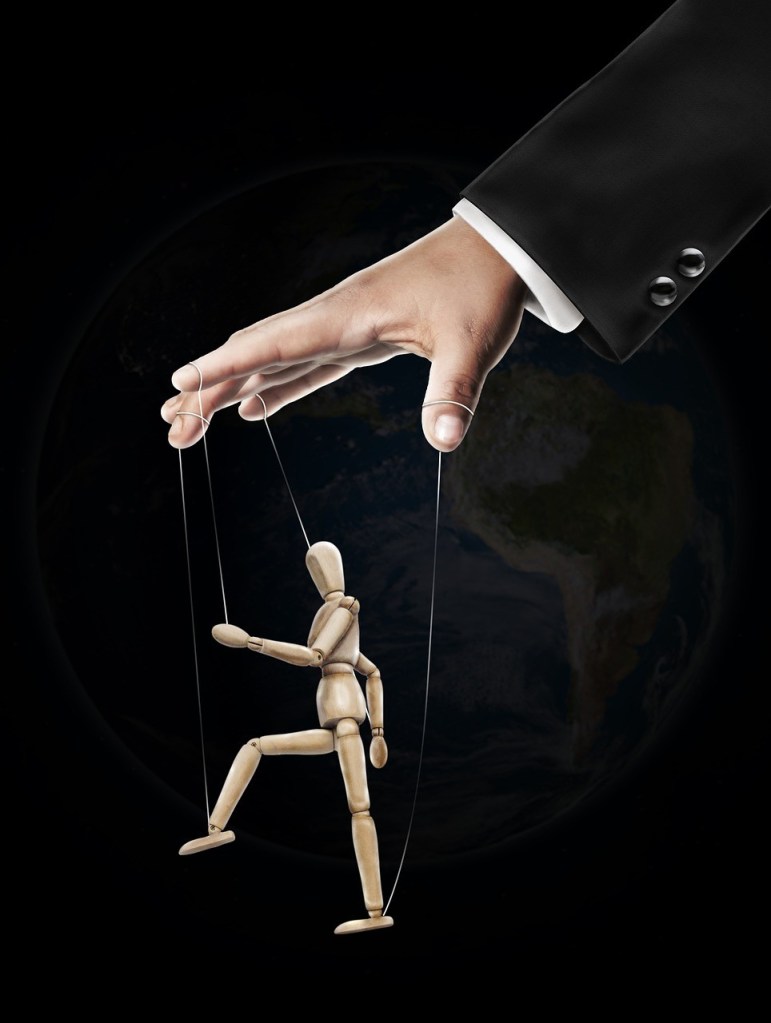
When people think about politics, people do not usually think about its artistic aspects. Art is a form of expression. Throughout history, art has been used to document different historical periods, inspire movements and renaissances, and enact social and political changes. It is a form of expression that can be a catalyst for change or a support of oppression. Art is something that has a strong and sometimes toxic relationship with the political world through art revolutions, propaganda, and protest.
FROM A MOMENT TO A MOVEMENT
Jacob Lawerence “Lines of Influence”
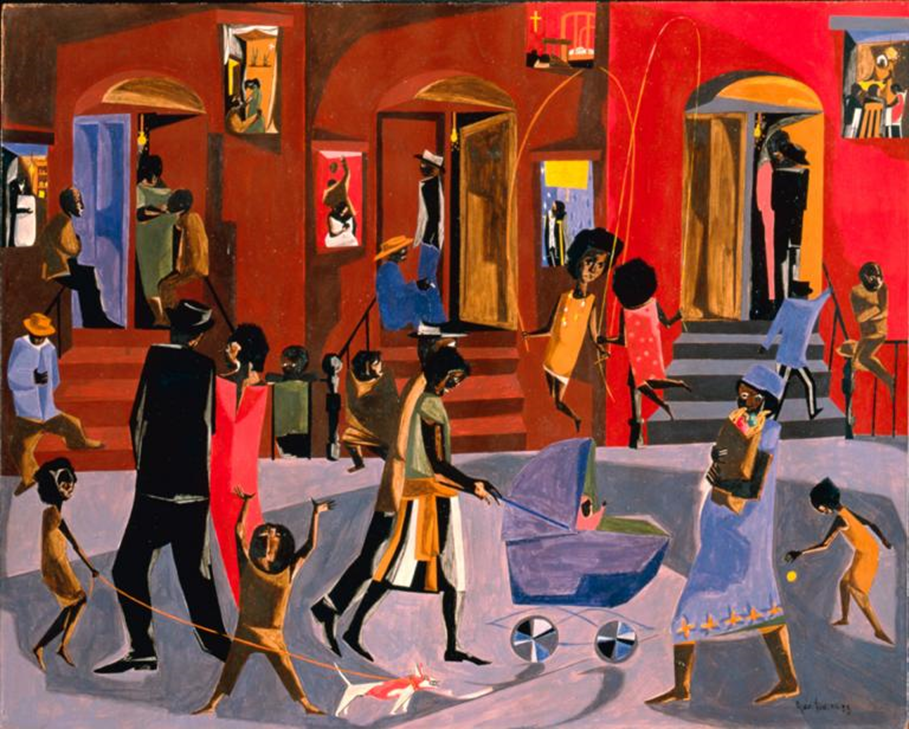
The Harlem renaissance is a notable example of political circumstances influencing art. Harlem was one of the largest areas where Black Americans moved to escape Jim Crow and to hopefully live in a more tolerable environment. The Harlem Renaissance lasted from the end of World War I to the mid 1930’s. It was the center of rich cross-disciplinary art and black cultural activity. They expressed an interest in a rapidly changing modern world and created artwork that asserted pride in black life and identity, but it also expressed the common experiences of inequality and discrimination in America.
Art has an interchangeable relationship with different art renaissances as it communicates the ideas of a movement or the consequences of a revolution. These radical points in history inspire change, and that change is expressed in art. Renaissance art was created to provoke groups into action, to put more focus on their purpose, or even inspire a sense of duty while showing the realities of a certain time.
ART AS PROPAGANDA
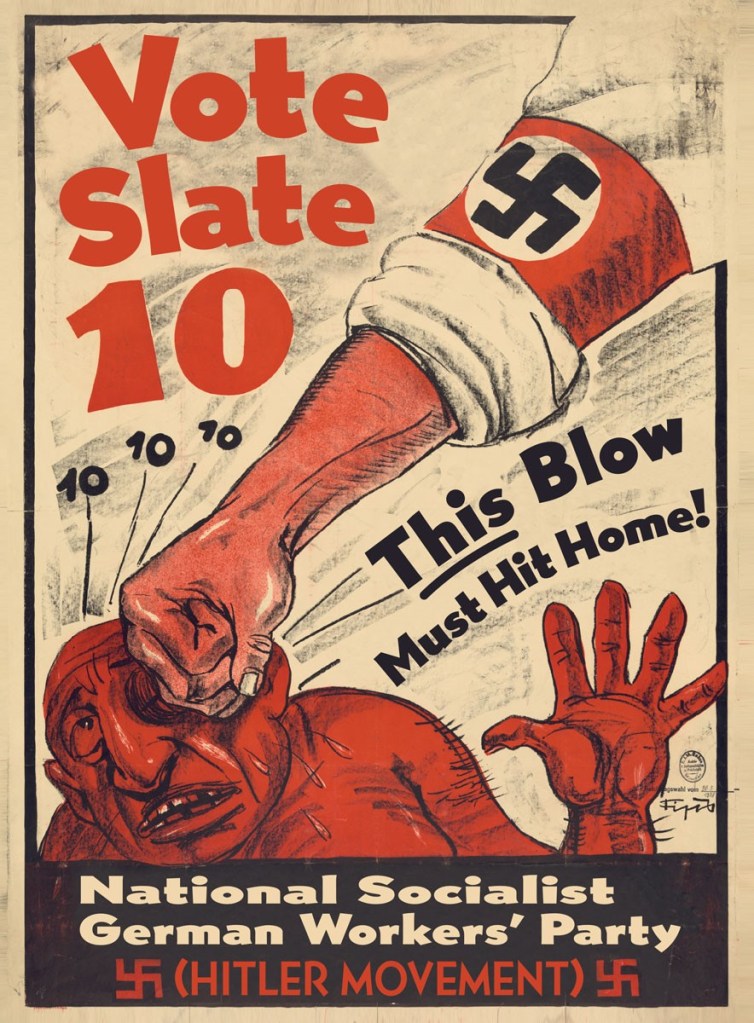
Art is often taught to show its more positive influence on movements. But what about the artwork used to oppress people? What happens when artwork is made with bad intentions? That is where propaganda art comes in. Propaganda art shows us the more toxic side of the art and politics relationship. This kind of art is used with malicious intent often to further political sentiments. These messages were not only visually persuasive, but they also promoted a sense of rapid nationalism, especially during war times.
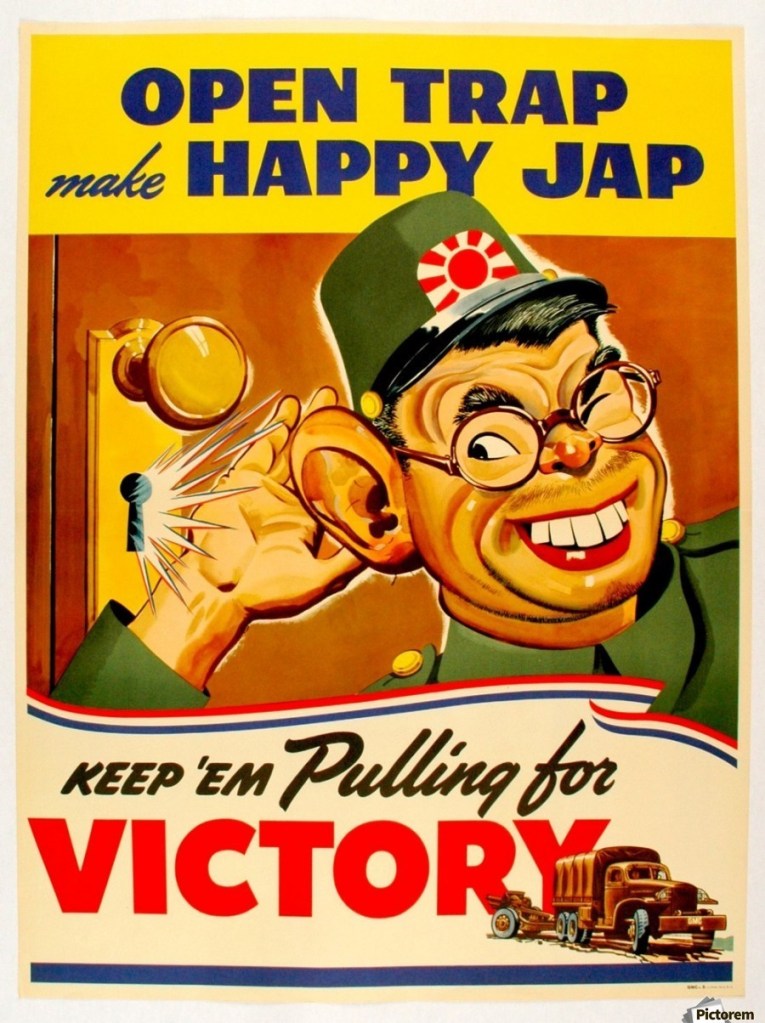
During World War II, Germany rallied its nationalism through malicious depictions of their enemies. The Nazis relied on distorted and stereotypical portrayals of Jewish people, Romani people and gay people to manipulate public perception. The United States have also had their fair share of propaganda imagery during World War II. They produced a hateful sentiment through racist imagery of Japanese people.
ART AND PROTEST

And then there’s protest art. Protest art is something that challenges authority through symbols, imagery, and expression. This is often when art and politics are opposed to one another. It is different from renaissance art because it focuses on an ongoing social injustice, but it is also different from propaganda because it is not made with malicious intent to attack a marginalized group. Its main goal is to inspire action, raise awareness, build communities, and give a voice to marginalized groups. From 1920 to 1938, the N.A.A.C.P would mark lynching sites by flying a black and white flag that stated “A Man was Lynched Yesterday. In 2016, artist Dread Scott made his own version of this flag stating “A Man was Lynched by Police Yesterday” in response to the fatal shooting of Walter Scott by a South Carolina police officer. Even when an incident is filmed or there are witnesses, it is much harder for minorities to seek quick and effective justice. Scott wanted to show that police brutality has not changed since the 1930s but has simply evolved.
LOCAL EVENT: February Open Mic
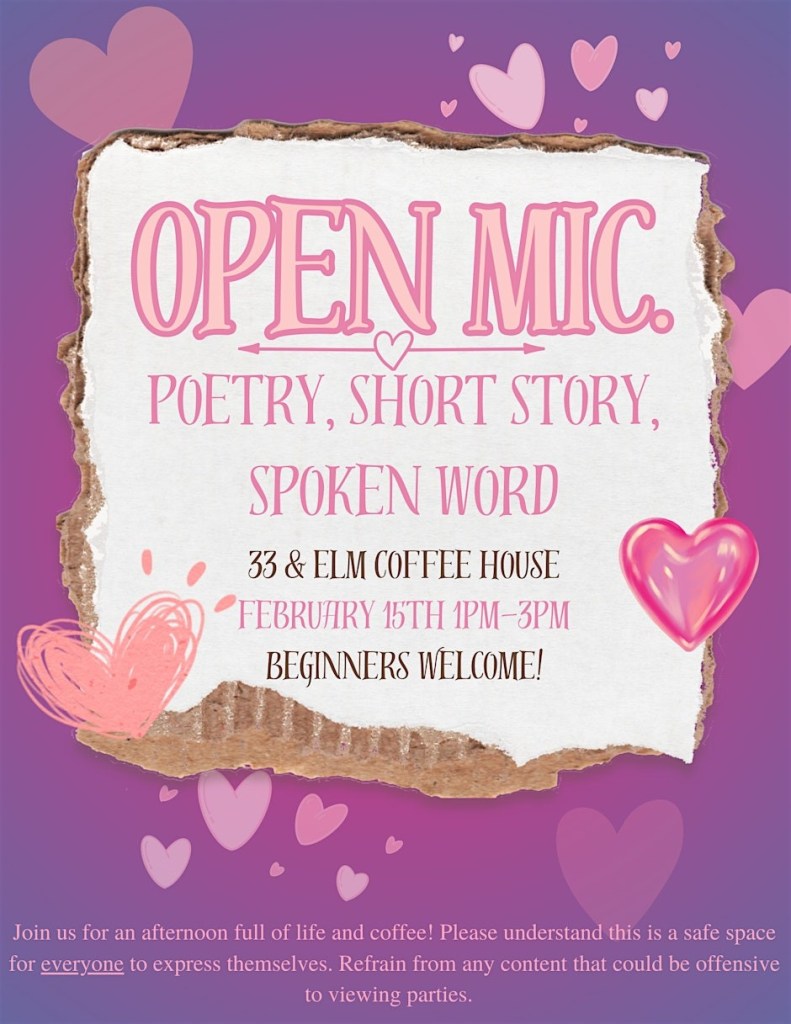
This is a free open mic event that is primarily geared towards poetry, short stories, and spoken word poems. They have a small microphone available for use and plenty of seating. It is located in Industries of the Blind, 33 and Elm and claims to have some of the best coffee in the city!
When/Where: 33& Elm Coffee House. Feb 15th, 2025, 1:00 P.M- 3:00 P.M. 924 West Gate City Blvd Greensboro, NC. 27403
Link: https://www.eventbrite.com/e/february-open-mic-tickets-1132646820129
Sources
Bromovsky, J. (n.d.). Art as activism: How protest art challenges the status quo: MyArtBroker: Article. MyArtBroker. https://www.myartbroker.com/collecting/articles/art-as-activism#
Force, T. L., Lescaze, Z., & Hass, N. (2020, October 15). The 25 most influential works of American protest art since World War II. The New York Times. https://www.nytimes.com/2020/10/15/t-magazine/most-influential-protest-art.html
Kelly. (n.d.). February open mic!. Eventbrite. https://www.eventbrite.com/e/february-open-mic-tickets-1132646820129?aff=ebdsoporgprofile
National Gallery of Art. (n.d.). Harlem Renaissance . Harlem Renaissance. https://www.nga.gov/learn/teachers/lessons-activities/uncovering-america/harlem-renaissance.html#:~:text=The%20Harlem%20Renaissance%20was%20a,bold%20colors%20and%20stylized%20forms.
Plocki, C. (2022, October 8). The history of art as Propaganda. FOREIGN AFFAIRS REVIEW. https://www.foreignaffairsreview.com/home/the-history-of-art-as-propaganda
 GREENSBORO COLLEGE ART COLUMN